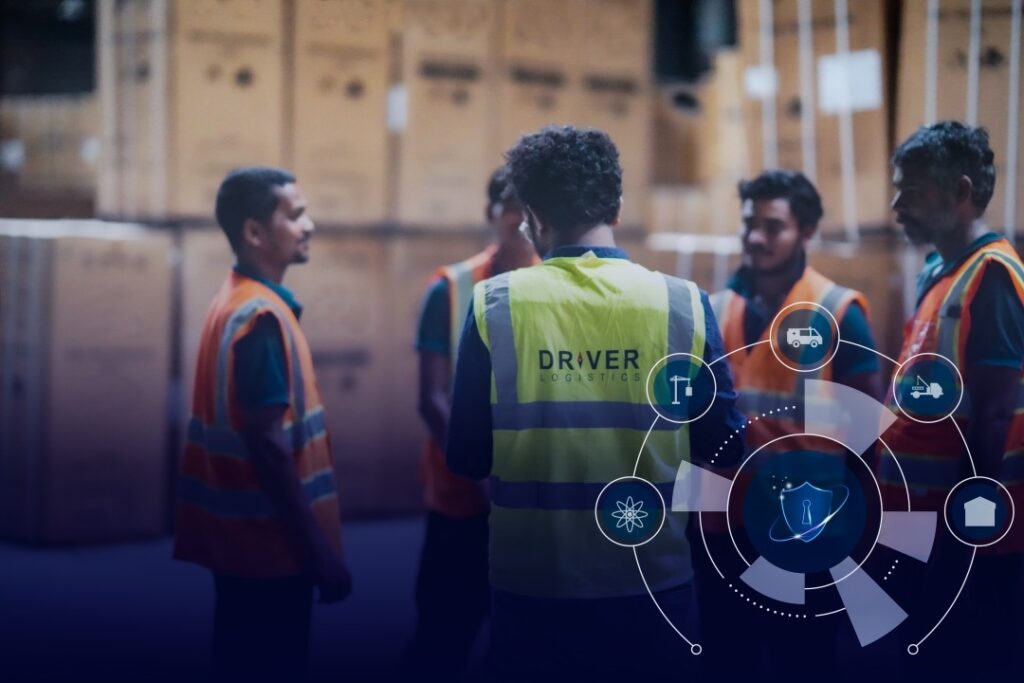

The Growing Demand for Transparency in Global Supply Chains
Global manufacturing has evolved significantly over the past two decades. With production networks spanning multiple countries and involving numerous suppliers, businesses are under increasing pressure to understand exactly how their products are made and where materials originate. As a result, supplier transparency is no longer just a compliance requirement—it is becoming a strategic advantage.
Companies today face scrutiny from regulators, investors, and consumers who want reassurance that products are produced ethically, safely, and responsibly. When manufacturers can clearly demonstrate where components come from, how factories operate, and whether suppliers follow proper standards, they build trust across the entire value chain.
This growing emphasis on transparency has shifted the way companies evaluate suppliers. Beyond price and production capacity, businesses now prioritize partners that can provide clear documentation, traceability, and open communication about their processes.
Consumer Expectations Are Changing
Modern consumers are far more informed than in previous generations. Access to information online allows people to quickly research brands and uncover details about sourcing practices, labor conditions, and environmental impacts.
As a result, many companies are working to ensure their supply chains can withstand public scrutiny. Brands that can confidently share information about their suppliers and production practices often benefit from stronger customer loyalty and brand reputation.
Transparency also reduces the risk of negative publicity. When companies lack visibility into their supply chains, they may unknowingly partner with suppliers involved in unethical labor practices, environmental violations, or quality control failures. These issues can quickly damage a brand’s reputation when discovered.
Improved Risk Management Across the Supply Chain
Another major advantage of supplier transparency is improved risk management. Global supply chains are vulnerable to disruptions, whether due to political instability, natural disasters, regulatory changes, or operational failures at manufacturing facilities.
When businesses maintain strong visibility into their suppliers, they are better positioned to identify potential risks early. Transparency allows companies to track supplier performance, monitor compliance with standards, and detect potential issues before they escalate into costly disruptions.
Manufacturers that invest in supplier oversight and verification processes often work with an experienced asia inspection company to help monitor quality standards, production processes, and supplier reliability. Independent inspections and audits can provide valuable insight into factory conditions and ensure suppliers are meeting agreed-upon requirements.
Building Stronger Supplier Relationships
Transparency also encourages stronger and more collaborative relationships between manufacturers and their suppliers. When expectations are clearly defined and information flows openly between partners, both sides can work more effectively to solve problems and improve performance.
Rather than operating as distant transactional partners, companies and suppliers can develop long-term partnerships focused on continuous improvement. Open communication about production challenges, quality expectations, and operational goals helps reduce misunderstandings and creates opportunities for efficiency gains.
Suppliers that are willing to share data, participate in audits, and maintain clear documentation demonstrate reliability. In turn, manufacturers often reward these suppliers with long-term contracts and larger production volumes.
Regulatory Pressure Is Increasing Worldwide
Governments and international organizations are also driving the push toward greater supply chain transparency. New regulations in many markets now require companies to demonstrate due diligence regarding labor standards, environmental impact, and sourcing practices.
For example, laws targeting forced labor, environmental reporting, and corporate accountability are becoming more common. Companies that cannot prove where their materials originate or how products are manufactured may face penalties, import restrictions, or legal challenges.
Because of these evolving regulations, businesses are increasingly implementing systems that track suppliers, verify compliance, and document production processes across their supply networks.
Transparency as a Long-Term Competitive Advantage
While transparency once appeared to be an administrative burden, many manufacturers now view it as a powerful competitive advantage. Companies that can clearly demonstrate responsible sourcing, reliable quality control, and compliant production processes stand out in a crowded marketplace.
Investors also tend to favor organizations with well-managed supply chains, as transparency reduces operational risk and signals strong governance practices.
Ultimately, transparency strengthens the entire manufacturing ecosystem. When companies demand accountability and visibility from their suppliers, it encourages higher standards across industries and creates more resilient supply chains capable of adapting to future challenges.