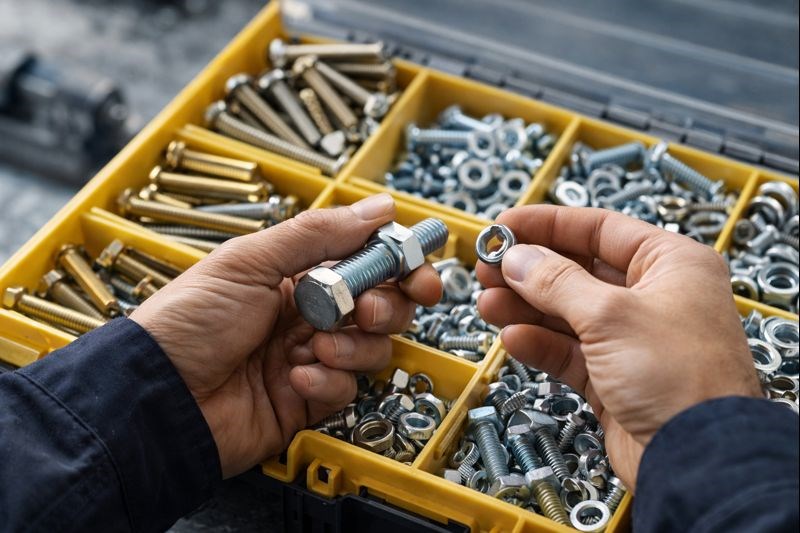

Heavy machinery and industrial equipment are built to handle demanding workloads and challenging environments. Whether used in manufacturing plants, construction sites, mining operations, or transportation systems, these machines must remain structurally stable and reliable during operation. One of the key components that ensures this reliability is industrial fasteners.
Although they are often overlooked, industrial fasteners play a crucial role in holding complex mechanical systems together. From large machine frames to smaller internal components, fasteners create strong connections that allow equipment to function safely and efficiently. Businesses looking for dependable fastening solutions often rely on trusted suppliers such as https://www.schutts.com.au to source high-quality industrial fasteners suitable for heavy-duty applications.
Why Heavy Machinery Requires Strong Fasteners
Heavy machinery operates under extreme conditions. These machines experience high levels of vibration, mechanical stress, and continuous movement. Without reliable fastening systems, components could loosen over time, leading to equipment damage or operational failure.
Industrial fasteners are specifically designed to withstand these demanding conditions. They provide secure connections that maintain structural integrity even when machinery is exposed to heavy loads and constant vibration.
In equipment such as excavators, cranes, industrial presses, and manufacturing machines, fasteners play a vital role in keeping all structural elements aligned and secure.
Types of Fasteners Used in Heavy Machinery
Several types of industrial fasteners are commonly used in machinery and heavy equipment.
High-Strength Bolts
High-strength bolts are widely used to secure structural components in machinery frames and support systems. These bolts are designed to handle high tension and load-bearing applications.
Lock Nuts
Lock nuts are used in situations where vibration may cause standard nuts to loosen. Their design prevents unwanted movement, helping maintain secure connections in machinery.
Set Screws
Set screws are often used to secure rotating components such as gears, shafts, and pulleys. These fasteners ensure that moving parts remain properly aligned during operation.
Washers
Washers distribute load evenly across surfaces and help prevent damage to machine components. They also reduce the risk of fasteners loosening due to vibration.
Suppliers like https://www.schutts.com.au offer a wide range of industrial fasteners designed for machinery and equipment applications.
Durability and Performance
Heavy machinery requires fasteners that can perform reliably over long periods. High-quality industrial fasteners are typically manufactured using durable materials such as alloy steel or stainless steel to ensure strength and corrosion resistance.
These materials allow fasteners to withstand harsh conditions such as high temperatures, moisture exposure, and chemical contact.
Using durable fasteners not only improves machine reliability but also reduces maintenance costs by minimizing the need for frequent replacements.
Safety and Equipment Reliability
Proper fastening is essential for ensuring worker safety and equipment reliability. A single loose or damaged fastener can lead to serious mechanical issues or even accidents in industrial environments.
Regular inspection and maintenance of industrial fasteners help prevent equipment failure and ensure that machines operate safely.
Companies that source fastening solutions from https://www.schutts.com.au can ensure that their equipment is fitted with reliable components designed for demanding industrial conditions.
Conclusion
Industrial fasteners are essential components in heavy machinery and equipment. Their ability to maintain strong connections under extreme stress ensures that machines operate safely and efficiently.
By choosing durable fastening solutions from trusted suppliers such as https://www.schutts.com.au, businesses can improve equipment performance, reduce maintenance costs, and maintain high levels of operational safety.